8 Min Read
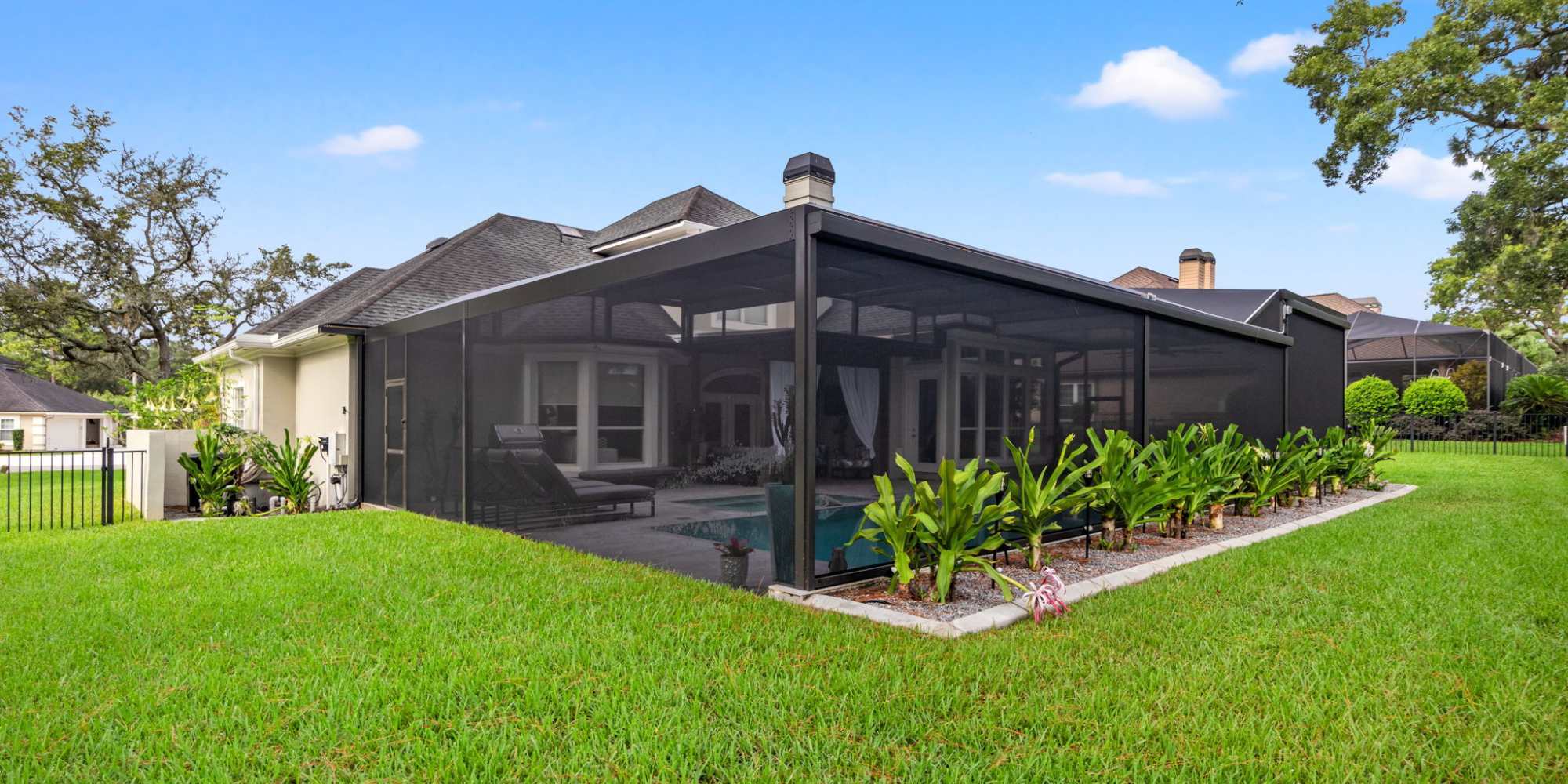
This cost guide outlines real pricing for common screen enclosure repairs in Jacksonville, including rescreening, door replacement, fastener upgrades, gutter fixes, and structural improvements, plus how to decide whether repairing or rebuilding makes the most financial sense.
The screen enclosure repair costs we're talking about in this blog:
Screen Enclosure Repair Cost Overview in Jacksonville, FL
Full-Rescreen Pool Enclosure Cost in Jacksonville
Cost to Replace Door & Hardware
Cost to Replace Bottom Plate Screws
Cost to Replace All Other Screws
Cost to Hand Wash Enclosure
Cost of Gutter Repairs & Replacement
Cost to Replace Cable Ties
Cost to Add Expanded View Back Wall
When Should You Repair vs. Build a New Screen Enclosure?
Screen Enclosure Repair Cost Overview in Jacksonville, FL
Below is a quick breakdown of common screen enclosure repair costs in Jacksonville. Final pricing depends on enclosure size, condition, and material selection.
- Full Rescreen (25’ x 45’ enclosure, (3) 10’ high walls): $5,400 – $10,000 (depending on screen quality)
- Replace Door & Hardware: $650 – $800 per door
- Replace Bottom Plate Screws: $1,000
- Replace All Other Screws: $4,400
- Hand Wash Enclosure: $1,500
- Replace Gutter (incorrect slope or undersized, includes fascia repair): $7,300
- Fix Leaking Gutter (per spot): $275 per spot
- Replace Cable Ties (4 minimum): $70 each
- Add Expanded View Back Wall: $5,000
These numbers reflect what we typically see for standard-sized pool enclosures here in Jacksonville. The best way to get an accurate cost for your specific situation is to schedule a professional inspection, especially if you’re dealing with more than one issue.
At Impact Enclosures, our #1 goal is to leave you with a screen enclosure that looks great and functions exactly as it should. During your inspection, we'll let you know if you need a repair, which repairs will bring your enclosure back to working condition, or if it's in your best financial interest to replace your enclosure.
You'll know what to expect and why we suggest the repairs we do, or if a full replacement really is the way to go.
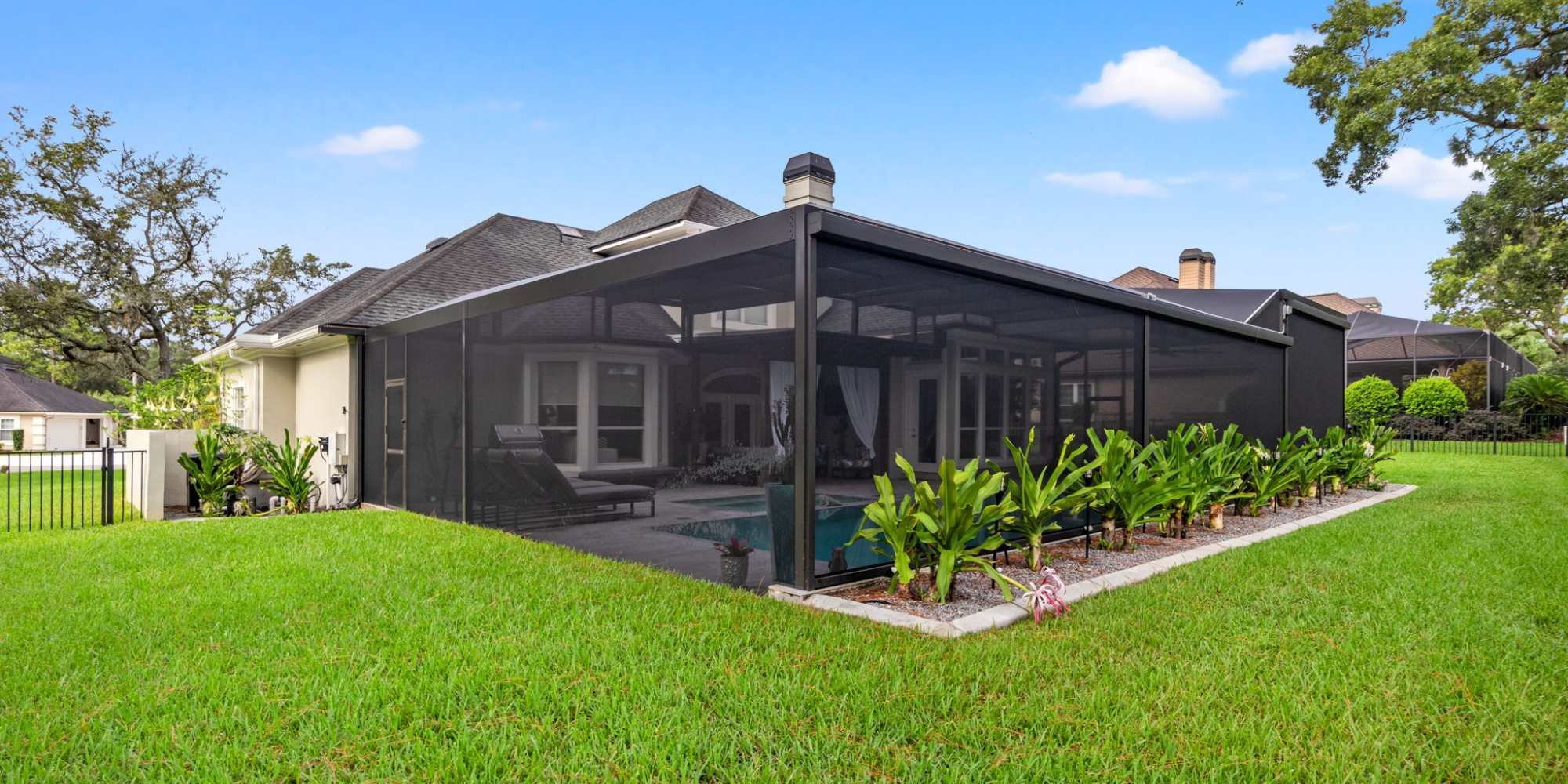
Full-Rescreen Pool Enclosure Cost in Jacksonville: $5,400 – $10,000 (depending on screen quality)
One of the most common questions we hear is:
“What does it cost to rescreen a pool enclosure in Jacksonville?”
For a standard 25’ x 45’ pool enclosure with three 10-foot-high walls, homeowners can typically expect to invest between $5,400 and $10,000, depending on the type and quality of screen material selected.
What Does a Full Rescreen Include?
A full rescreen typically involves:
- Removal and disposal of all existing screen panels
- Inspection of framing and attachment points
- Installation of new screen material throughout the enclosure
- Re-securing panels with a new spline where needed
- Final tightening and inspection for proper tension
If the framing and structural components are still in good condition, a full rescreen can significantly extend the life of your enclosure.
When Is a Full Rescreen Recommended?
In many Jacksonville homes, the aluminum frame lasts much longer than the screen material itself, which makes rescreening a smart and cost-effective way to freshen up the space without rebuilding the entire enclosure.
A full rescreen is often the right move when:
- Screens are brittle, faded, or sun-damaged
- Multiple panels are torn or pulling loose
- The enclosure is structurally sound but visually worn
- The screen material is nearing the end of its lifespan
Screen Quality Tiers: Why the Price Range Varies
The $5,400–$10,000 range depends largely on the screen material selected.
Lower-cost screen materials may meet basic needs but may only last 3–7 years in Florida’s sun and humidity. Higher-quality, American-manufactured screen options offer:
- Improved durability
- Clearer visibility
- Longer lifespan
Cost to Replace Door & Hardware: $650 – $800 per door
Doors are one of the most frequently used parts of any screen enclosure and often the first to fail.
When Is Door Replacement Needed?
Door replacement is often recommended when:
- The door no longer latches properly
- The plunger mechanism is malfunctioning
- The frame is sagging or out of alignment
- There are visible gaps at the top or bottom
- Hardware is rusted or deteriorating
Hardware & Fastener Upgrades
When replacing doors or hardware, we use stainless steel fasteners to improve long-term durability and corrosion resistance, which is especially important in Jacksonville’s humid and coastal climate.
Stronger hardware and corrosion-resistant fasteners help extend the lifespan of the repair and reduce future maintenance.
Cost to Replace Bottom Plate Screws: $1,000
Bottom plate screws play a big role in the structural stability of your screen enclosure. These fasteners anchor the enclosure’s base to the concrete slab, helping it resist movement, wind uplift, and long-term shifting.
In Florida’s climate, where humidity, rain, and coastal air accelerate corrosion, bottom plate screws are especially vulnerable over time.
Why Bottom Plates Matter Structurally
The bottom plate is the foundation connection point between the aluminum structure and your foundation. If those anchor screws weaken, the entire enclosure can begin to shift or loosen, particularly during storms.
When bottom plate screws fail, it’s not just cosmetic. It can affect:
- Structural stability
- Wind resistance
- Alignment of doors and panels
- Long-term anchoring performance
Signs Bottom Plate Screws Are Failing
Common warning signs include:
- Visible rust or corrosion around anchor points
- Screws backing out of the foundation
- Water pooling around base plates
- Movement or slight separation at the bottom frame
When Screw Replacement Is Enough (and When It’s Not)
If the framing is still solid and the rust is mostly limited to the screws, replacing the bottom plate fasteners can tighten things back up and extend the life of the enclosure.
But if corrosion has spread into the aluminum, base plates, or internal connections, simply swapping out screws may not solve the bigger problem.
That’s when it makes sense to have a professional take a closer look and determine whether the structure itself has been affected.
Cost to Replace All Other Screws: $4,400
Screen enclosures contain hundreds of fasteners, not just the visible ones along the bottom. These screws hold together vertical posts, roof members, and structural joints throughout your enclosure.
Visible vs. Internal Fasteners
Most homeowners see rusted screws on the outside and assume that replacing those will take care of it. But what you can see isn’t always the whole picture.
Screen enclosures also have internal fasteners. Those are the screws hidden inside framing joints and structural connections. They aren’t always accessible without taking parts of the enclosure apart, which means surface fixes don’t always address what’s happening underneath.
Why Internal Rust Matters
If internal fasteners are rusting, the structural integrity of the enclosure will gradually weaken over time. Replacing only visible screws does not address corrosion happening inside key connection points.
That’s why evaluating the overall condition of the enclosure is a must before committing to a full screw replacement.
When Replacing Screws Makes Sense
If the aluminum framing is still solid and corrosion is primarily limited to fasteners, replacing screws can be a smart investment, especially when upgraded to stainless steel fasteners for improved long-term durability.
Stainless steel offers superior corrosion resistance in Florida’s humid environment and can significantly extend the lifespan of the repair.
When It May Be Time to Consider Screen Enclosure Replacement
If an enclosure has widespread rust, aging aluminum, outdated wind-code standards, or multiple structural concerns, just replacing screws usually isn’t going to solve the bigger problem.
In some situations, you can end up investing thousands into an older structure and still be left with something that doesn’t meet today’s standards and costs nearly as much as rebuilding.
Different types of damage:
Cost to Hand Wash Enclosure: $1,500
Over time, screen enclosures in Florida can develop a chalky, faded appearance. This is usually caused by oxidation, dirt buildup, mildew, and exposure to the sun and moisture.
A thorough enclosure cleaning removes:
- Oxidation buildup on aluminum framing
- Dirt, pollen, and mildew
- Staining around fasteners
- Surface discoloration
- Algae or organic buildup in shaded areas
- Debris trapped along beams and joints
- Light surface staining from irrigation overspray
Cosmetic Improvement vs. Structural Repair
It’s important to understand that washing is primarily a cosmetic improvement, not a structural fix.
If the aluminum framing is still strong and the issue is surface oxidation only, a professional wash can make a noticeable difference.
However, if fading is accompanied by:
- Pitting in the aluminum
- Widespread fastener corrosion
- Structural weakening
- Outdated wind-code anchoring
- Movement at base plates or connection points
Then cleaning may improve appearance, but it won’t address deeper structural concerns.
Cost of Gutter Repairs & Replacement
Drainage is one of the most important parts of a screen enclosure. When gutters aren’t working the way they should, water can end up inside the enclosure or around the slab, leading to bigger problems over time.
Fix Leaking Gutter (Per Spot): $275 per spot
If a gutter is leaking in isolated areas, spot repairs can often resolve the issue.
This typically involves:
- Sealing problem joints
- Repairing connection points
- Addressing minor separation
Spot repairs are effective when the overall gutter system is properly sized and installed.
Replace Gutter (Incorrect Slope or Wrong Size): $7,300 (including fascia repair)
If the gutter system was improperly installed, undersized, or sloped incorrectly, replacement may be required.
Signs of drainage failure include:
- Water pouring into the enclosure during heavy rain
- Persistent dripping along the beam
- Downspouts discharging water directly onto pavers or the foundation
- Standing water inside the enclosure
Why Proper Slope Matters
Gutters must be pitched correctly to direct water toward downspouts. If the slope is even slightly wrong, water can pool, overflow, or spill into the enclosure.
Over time, improper drainage can lead to:
- Slab erosion
- Paver shifting
- Base plate corrosion
- Foundation concerns
- Water staining and damage to surrounding finishes
Super Gutter Upgrades
In some cases, upgrading to a Super Gutter system provides better water management for Florida’s heavy rainfall.
A larger, properly sloped gutter system improves flow capacity and helps protect both the enclosure and surrounding hardscape from long-term water damage.
When evaluating gutter repairs, we assess whether spot fixes will solve the problem or if the entire system needs correction to prevent recurring issues.

Cost to Replace Cable Ties: $70 each (4 minimum)
Cable ties might be small, but they play an important role in keeping a screen enclosure stable. They help reinforce key framing connections and add support, especially on larger enclosures or taller walls.
Because they’re not always easy to see, cable ties tend to get overlooked. But when they loosen or fail, it can affect the overall strength and stability.
Why Cable Ties Matter Structurally
Cable ties help:
- Reduce structural flexing
- Reinforce key connection points
- Support framing stability during wind events
- Maintain alignment across large spans
- Distribute tension more evenly across the enclosure
- Help prevent long-term shifting or frame fatigue
When Cable Ties Loosen or Fail
Over time, cable ties can loosen due to:
- Wind movement
- Thermal expansion and contraction
- Fastener corrosion
- Age-related wear
Cost to Add Expanded View Back Wall: $5,000
Not every project is just about fixing something that’s broken. Sometimes it’s about improving how the space looks and feels while you’re already addressing aging components.
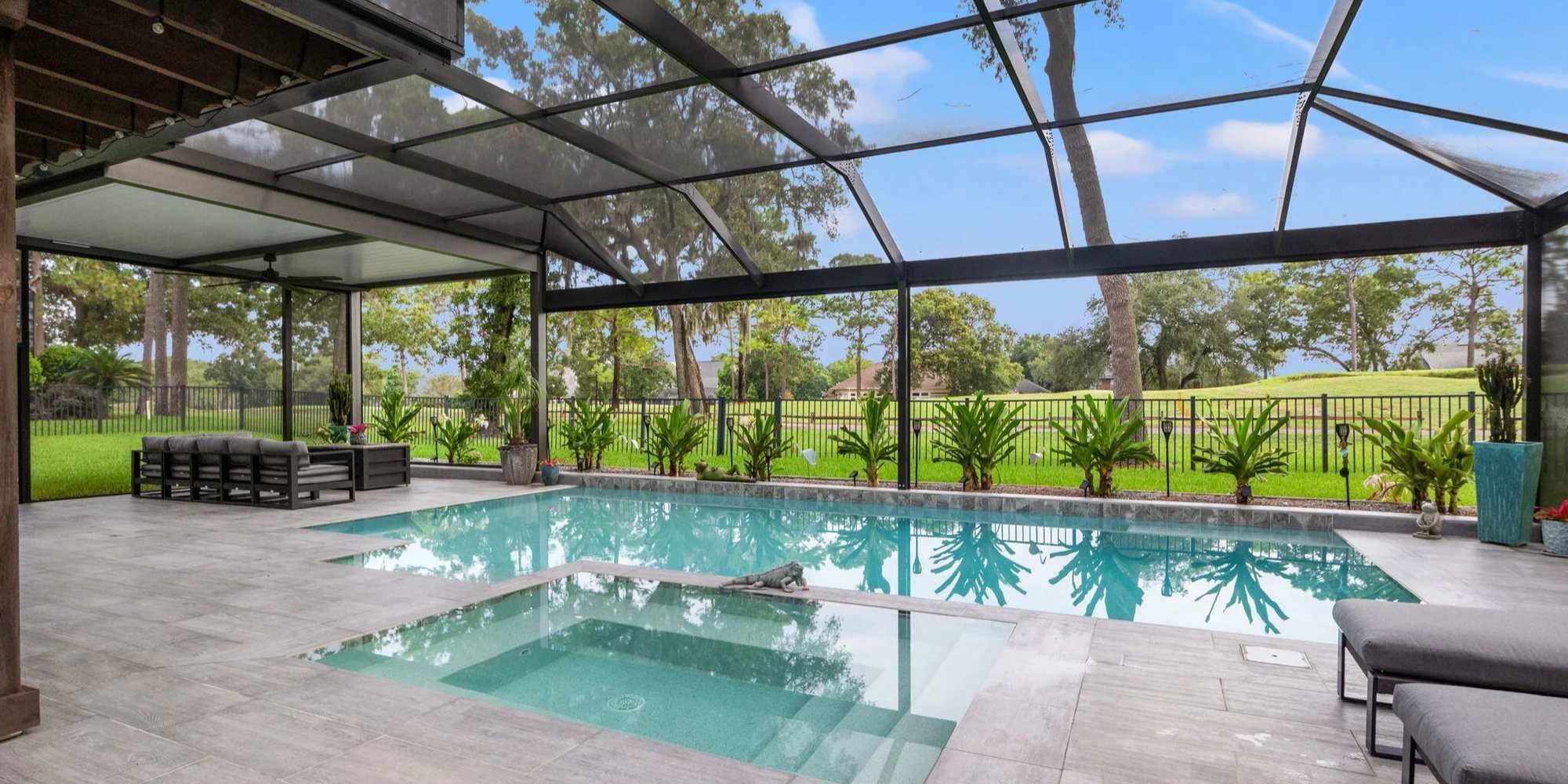
An expanded view back wall opens up your sightlines and reduces visual obstructions, giving the enclosure a cleaner, more open feel.
What Is an Expanded View?
An expanded view design reduces the number of vertical posts and eliminates the traditional chair rail across the back wall. The result is:
- Cleaner lines
- A more open, modern appearance
- Improved visibility of your backyard or water view
When Should You Repair vs. Build a New Screen Enclosure?
So, should you repair your screen enclosure or just start fresh with a new one? The honest answer depends on the overall condition of the structure not just the visible damage.
When Repair Makes Sense
Repair is typically the smart choice when:
- Only one or two components are failing
- The structure is still anchored properly
- Fasteners are not widely corroded
- The framing is structurally sound
- The enclosure was built to current wind-code standards
In these cases, targeted repairs like rescreening, replacing bottom plate screws, or fixing gutters can extend the life of your enclosure without unnecessary expense.
If the foundation and structure are solid, repairing isolated issues is often the most cost-effective move.
When It’s Time to Evaluate Rebuilding
If multiple structural concerns exist at the same time, rebuilding may offer better long-term value.
Warning signs include:
- Widespread fastener corrosion (including internal screws)
- Compromised anchor points or base plates
- Structural movement or frame separation
- Outdated wind-code compliance
- Aging aluminum showing signs of weakening
- Multiple major repairs needed simultaneously
In situations like this, repair costs can quickly approach 70% of the cost of building new, while the finished result may only look and perform at about 60% of a brand-new enclosure.
Another important factor: when replacing screws, only accessible fasteners are typically changed. Internal screws embedded within structural joints may still be rusting, and older enclosures often lack the reinforcement required under today’s Florida wind standards.
The Long-Term Value Perspective
The decision shouldn’t be based on today’s invoice alone; it should be based on how long you plan to stay in the home and how confident you want to feel during storm season.
If you’re investing thousands into repeated repairs on a structure that’s nearing the end of its lifespan, rebuilding may provide:
- Updated wind-code compliance
- Stainless steel fasteners throughout
- Improved drainage systems
- Modern design upgrades like expanded view
On the other hand, if your enclosure is still fundamentally strong, repairs can extend its life for years.
The key is understanding which category your enclosure falls into and making the decision with full information, not guesswork.
Repair or Replace? Let’s Find Out
Repairing a screen enclosure can be a smart investment when the structure is still sound.
If you’re unsure whether repair or replacement makes more sense for your home, Impact Enclosures can evaluate the full condition and give you honest guidance. Reach out to schedule your inspection and get clear answers before you spend a dollar.