8 Min Read
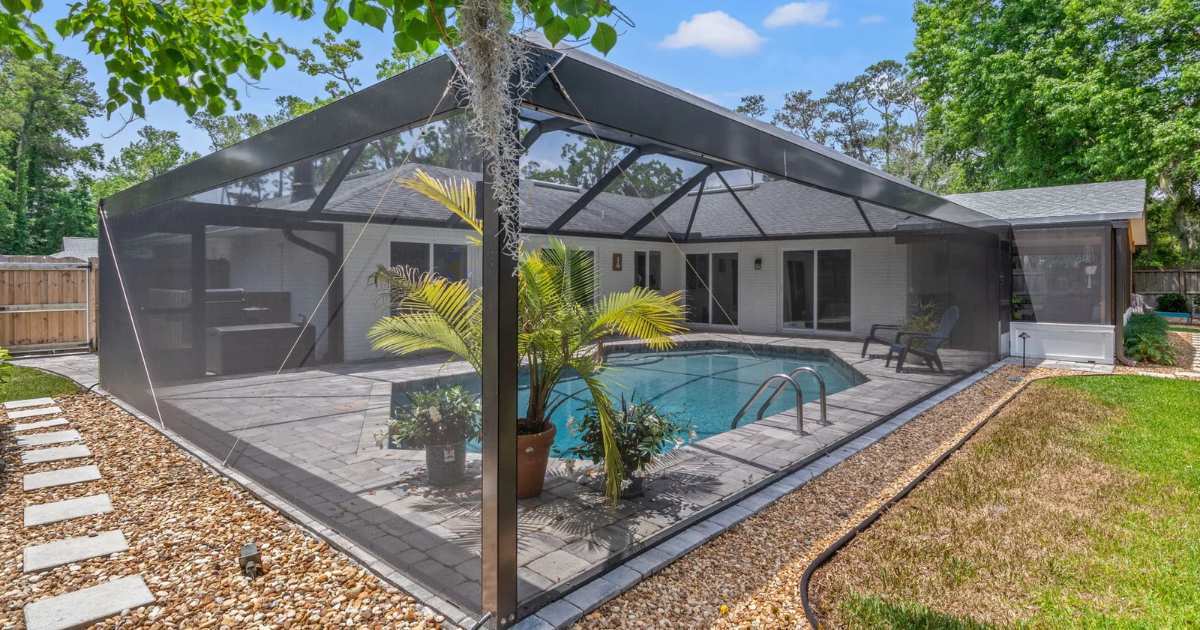
The materials you choose for your screen enclosure play a big role in how the space looks, feels, and holds up over time. Framing, screens, doors, roofing, and drainage all factor into comfort, durability, and long-term value.
This guide walks through the key materials used in screen enclosures and screen rooms, explaining how framing, screens, fasteners, doors, roofing, and drainage impact performance, maintenance, and comfort so you can choose the right combination for you.
What we cover in this blog:
Framing & Structural Components of Screen EnclosuresFasteners & Hardware for Screen Enclosures
Screen Enclosure Screen Materials
Doors & Entry Systems for Screen Enclosures
Screen Enclosure Roof Systems & Materials
Screen Enclosure Drainage & Water Management
Choosing the Right Screen Enclosure Materials for Your Home
Framing & Structural Components of Screen Enclosures
You might not notice it right away, but strong, well-built framing makes a big difference in how your enclosure performs over time, especially with Florida’s heat, humidity, and storms.
That’s why paying attention to structural quality from the start matters. It’s the backbone of your screen enclosure and what keeps everything else working the way it should.
Aluminum Framing: The Florida Standard
Aluminum is the go-to material for screen enclosures in Florida.
It’s lightweight, resistant to corrosion, and strong enough to handle the demands of heat, humidity, and coastal conditions. Unlike wood or steel, aluminum won’t rot, warp, or rust, making it a reliable long-term choice for outdoor structures.
The Role of Internal Gusset Plates
One of the biggest differences between builder-grade and upgraded enclosures is the use of internal gusset plates.
These plates reinforce key connection points in the framing, helping distribute stress and reduce movement during high winds. Internal gusset plates add rigidity where it matters most, strengthening the overall structure and minimizing flexing.
This extra reinforcement can make a noticeable difference in how well an enclosure performs during storms and over years of use.
Wind Resistance & Long-Term Durability
Structural upgrades aren’t just about meeting code. They’re about exceeding it. Reinforced framing and stronger connections help improve wind resistance, which is especially important in hurricane-prone areas like Jacksonville.
Over time, better structural components also mean fewer issues like loose fasteners, shifting frames, or premature wear.
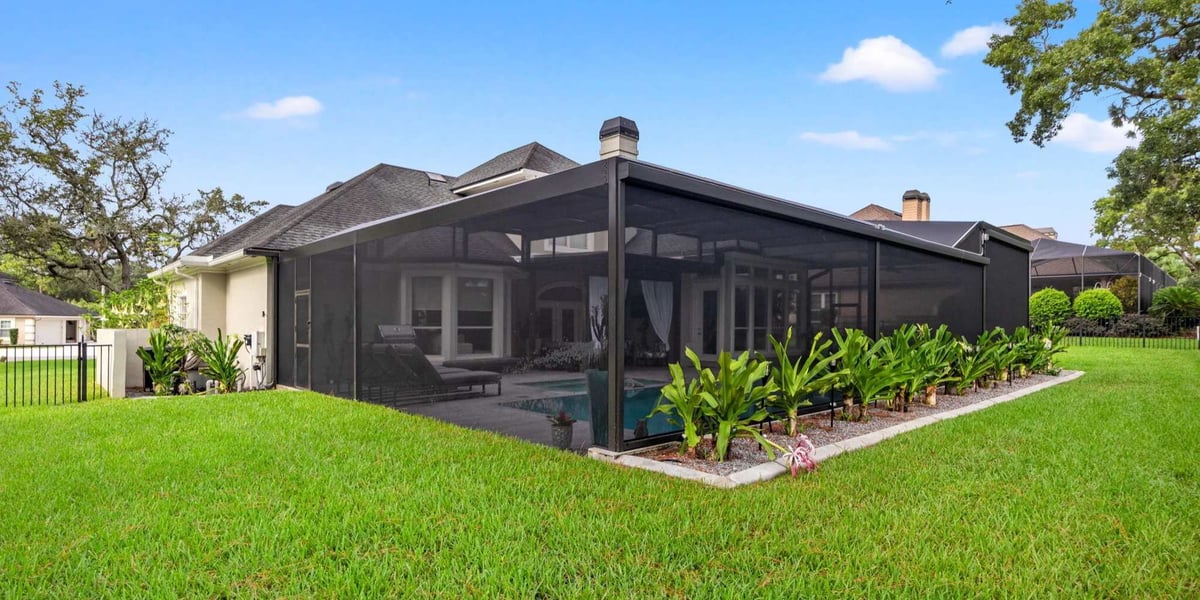
Fasteners & Hardware for Screen Enclosures
Fasteners and hardware might seem like small details, but they play a big role in how well a screen enclosure holds up over time. These components are used throughout the structure, and their quality directly affects durability, appearance, and maintenance.
Stainless Steel Fasteners
Stainless steel fasteners are one of those upgrades that don’t stand out visually but make a big difference over time. Because stainless steel is naturally corrosion-resistant, it holds up far better in Florida’s humid, coastal environment than standard fasteners that rely on surface coatings.
Using stainless steel helps prevent rust, staining, and weakened connection points as the enclosure ages.
Through field use and long-term exposure, we’ve found stainless steel fasteners consistently outperform Nylotec, Ultracoat, and ceramic-coated fasteners.
- Nylotec fasteners use a nylon head, which has a tendency to shear or break during installation. The heads are also larger and more noticeable, which many clients find visually unappealing. Additionally, unless the underlying screw is stainless steel, corrosion can begin internally and work its way outward over time.
- Ultracoat and ceramic-coated fasteners often experience coating failure during installation. When torque is applied while fastening into aluminum, the coating can be compromised, exposing the steel beneath and allowing rust to develop prematurely, often beginning at the screw head.
Because of these issues, stainless steel fasteners have proven to be the most reliable option for long-term durability, appearance, and corrosion resistance in our applications.
Why Corrosion Resistance Matters in Florida
In coastal and high-humidity areas like Jacksonville, moisture and salt in the air can quickly accelerate corrosion. Rusted fasteners don’t just look bad; they can weaken connection points and shorten the lifespan of the entire enclosure.
Choosing corrosion-resistant hardware helps prevent staining, deterioration, and structural issues caused by rust.
How Fastener Quality Impacts Maintenance & Durability
Lower-quality fasteners are more likely to rust, loosen, or fail over time, which can lead to ongoing maintenance issues. Replacing corroded screws or addressing rust stains can affect the integrity of the structure.
High-quality stainless steel fasteners reduce the need for ongoing maintenance and help ensure connections remain secure. Over the life of the enclosure, this can make a noticeable difference in both performance and peace of mind.
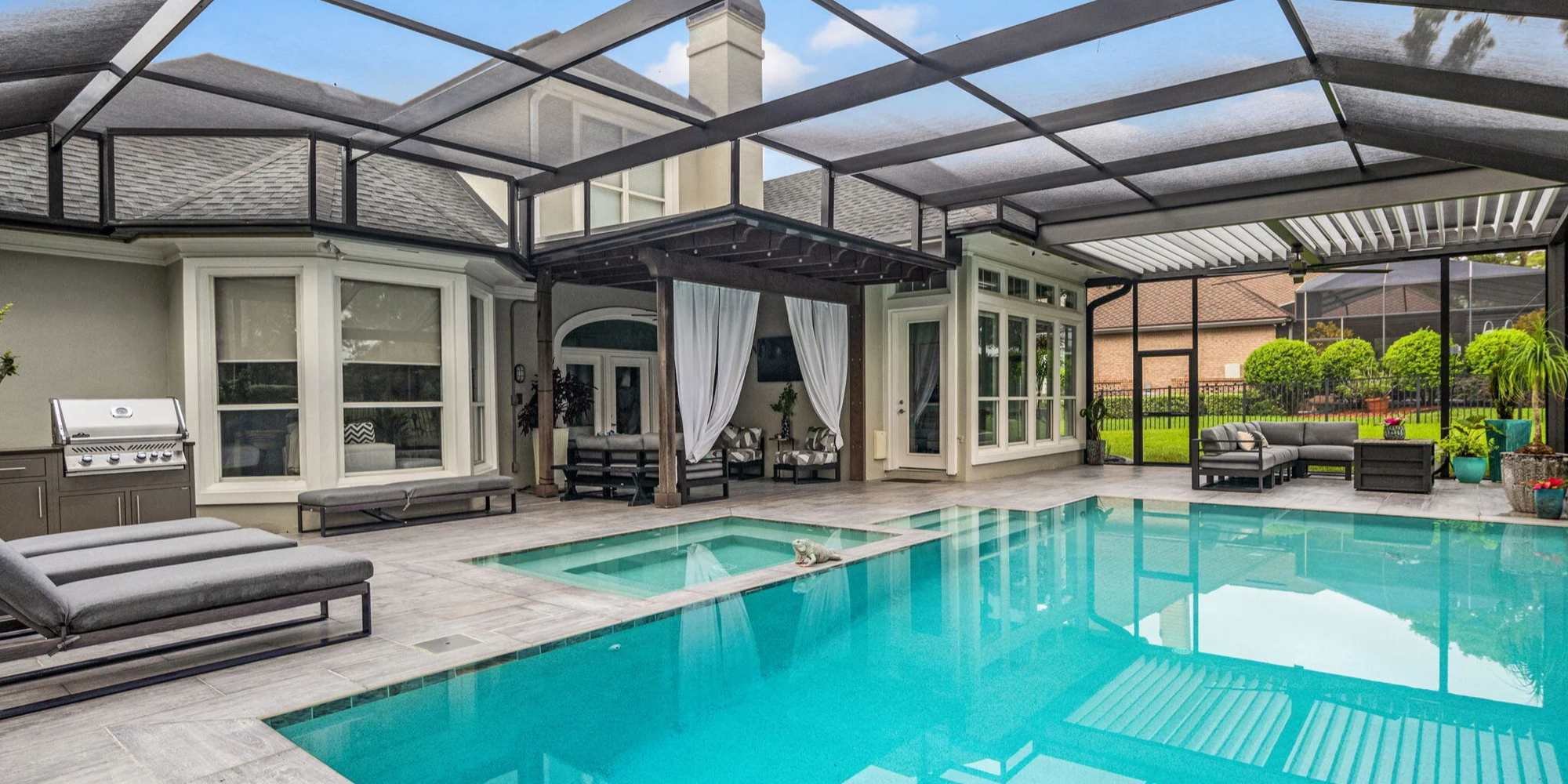
Screen Enclosure Screen Materials
Not all screen materials are created equal, and for many homeowners, this is where the biggest differences in quality, appearance, and longevity show up. The type of screen you choose affects visibility, airflow, durability, and how well your enclosure holds up over time.
Basic Mosquito Screen
Basic mosquito screen is the most common option used in builder-grade enclosures. It’s designed primarily to keep insects out while allowing airflow through the enclosure.
This type of screen works well for:
-
Light-use areas
-
Budget-focused projects
-
Homeowners who don’t mind replacing the screen over time
American-Manufactured Screen
Upgrading to an American-manufactured screen provides improved quality and consistency compared to basic options.
This makes them a popular choice for homeowners looking for a noticeable step up in performance without jumping to the heaviest-duty options.
Over time, American-made screens tend to:
-
Hold their shape better
-
Resist sagging and premature wear
-
Maintain clearer visibility
- Deliver more consistent weave and finish
Heavy-Duty Screen Options
Heavy-duty screens are designed for increased strength and long-term durability. Made from thicker, more robust materials, they’re ideal for enclosures that experience frequent use or higher impact.
Heavy-duty screen is often recommended for:
-
High-impact areas
-
Homes with pets or active households
-
Homes located near golf courses
-
Properties surrounded by trees where falling limbs or debris may impact the screen
Homeowners seeking maximum longevity, including options that qualify for a 10-year warranty
Expanded & Mega View Panels
For homeowners who want a more open, unobstructed feel, expanded view, or mega view, panels are a popular upgrade. By reducing vertical posts and eliminating chair rails, these designs create cleaner lines and better sightlines so you can enjoy the view without distractions.
We recommend pairing this with the heavy-gauge screens to withstand the larger screen spans.

Doors & Entry Systems for Screen Enclosures
Doors are one of the most used parts of a screen enclosure, so their quality really matters. Well-built doors hold up longer and help the entire enclosure perform better over time.
Heavy-Gauge Doors
Heavy-gauge doors are built to handle everyday use without flexing or wearing down. They open and close smoothly, feel solid, and hold their alignment over time, making a noticeable difference in both daily use and long-term durability.
Why Felt Lining and Thresholds Matter
Felt lining and thresholds make a noticeable difference in performance and comfort. Felt lining helps reduce rattling, improves the seal when the door is closed, and creates a smoother, quieter operation.
Thresholds help close the gap at the bottom of the door, improving pest control and preventing debris from entering the enclosure. Together, these features contribute to a better seal and a more finished feel.
Single vs. Multiple Door Configurations
The right door configuration depends on how you plan to use the space. A single door may be sufficient for smaller enclosures or low-traffic areas, while larger spaces often benefit from multiple entry points.

Screen Enclosure Roof Systems & Materials
The type of roof you choose plays a major role in how your screen enclosure or screen room performs. Roofing impacts shade, airflow, weather protection, and even how often you’ll use the space throughout the year.
Pool & Screen Enclosures
Most pool and standard screen enclosures use screen-only roof systems. These roofs are designed to allow maximum airflow and natural light while still providing protection from insects and falling debris.
Screen-only roof systems are a good fit when:
-
Airflow and openness are a priority
-
The goal is to maintain an outdoor feel
-
Full weather protection isn’t required
- Natural light is an important part of how you want to use the space
Because these roofs are lightweight, they must still be properly engineered and anchored to meet wind-load requirements. The materials and installation methods used ensure the enclosure performs safely in Florida’s weather conditions.
Material Considerations for Screen Roofs
Even though screen roofs are open by design, the materials used still play an important role in how well they perform. Heavier-gauge aluminum framing, high-quality screen material, and corrosion-resistant fasteners all help the roof hold its shape and stay secure in high winds.
Using durable materials in the roof system reduces stretching, sagging, and movement over time, which helps the enclosure maintain both its appearance and structural integrity, especially during Florida’s storm season.
Screen Rooms with Composite Roofs
Screen rooms offer a different experience than standard screen enclosures, largely due to their insulated composite roof systems. A 3” insulated composite roof provides significantly more shade and protection, making the space more comfortable in hot or rainy weather.
Benefits of a 3” Insulated Composite Roof
-
Improved temperature control and comfort
-
Increased protection from rain and sun
-
A more room-like feel while staying open and screened
These roofs make screen rooms usable in a wider range of conditions, extending the value of the space beyond fair-weather days.
Shed Roof vs. Gable Roof Designs
Composite roof screen rooms are commonly built with either a shed roof or a gable roof, each offering different benefits.
-
Shed roofs provide a clean, simple design and are often used when working within height limitations
-
Gable roofs create a higher ceiling and a more open, dramatic feel
The right option depends on your home’s architecture, desired ceiling height, and overall design goals.
Roof Tie-Ins, Flashing & Shingle Integration
Proper roof tie-ins have a huge impact on long-term performance. This includes removing shingles as needed, installing flashing beneath existing roofing materials, and integrating the new roof seamlessly with the home.
Quality flashing and shingle integration help prevent leaks and ensure the structure remains watertight over time, which is an important detail that shouldn’t be overlooked.
Screen Enclosure Drainage & Water Management
Drainage is one of those details most homeowners don’t think about until there’s a problem. But when it comes to screen enclosures and screen rooms, proper water management plays a big role in protecting the structure, the slab, and the surrounding area.
Super Gutter Systems
Gutters are designed to collect and direct water away from the enclosure, but not all systems handle water the same way. Builder-grade enclosures often use smaller 5” gutter systems, which can be sufficient in light rain but may struggle during heavy Florida downpours.
Upgraded enclosures typically use 7” super gutter systems, which are better equipped to handle higher water volume. The larger size helps reduce overflow and improves overall drainage performance during storms.
If the roof has a lot of jogs and it's difficult to get the water out quickly enough, a 9" gutter is used. It's ideal for riser walls and homes with barrel tile roofs, where the tile extends too far for the 7" gutter.
The Importance of Properly Sized Downspouts
Gutters are only as effective as the downspouts attached to them. If downspouts are undersized or poorly placed, water can back up and spill over even with larger gutters.
Properly sized and positioned downspouts:
-
Move water away from the enclosure more efficiently
-
Reduce pooling near the slab or foundation
-
Help protect surrounding landscaping
The ideal sizes? At Impact Enclosures, we offer both 3" x 4" and 4" x 5" to ensure the right fit.
Gutter Guards for Debris Management
Leaves, pine needles, and debris can quickly clog gutters, especially in wooded or heavily landscaped areas. Gutter guards help keep debris out while still allowing water to flow freely.
By reducing clogs, gutter guards minimize maintenance and help ensure the drainage system continues working as intended during heavy rain.
These are great if installed without a screen enclosure. If you install them between an existing roof and a new screen enclosure, it will require maintenance, as the leaves will have nowhere to go. It will be easier to clean out, but you’ll have to do it more often.
Easy Clean-Out Drains & Slab Protection
Screen enclosures often include easy clean-out drains to manage water that enters the space. These drains allow homeowners to remove debris quickly and keep water flowing away from the slab.
Proper drainage helps protect:
-
Concrete slabs from standing water
-
Flooring and furniture inside the enclosure
-
The overall longevity of the structure
-
Surrounding landscaping from erosion and washout
-
The enclosure’s framing and fasteners from prolonged moisture exposure
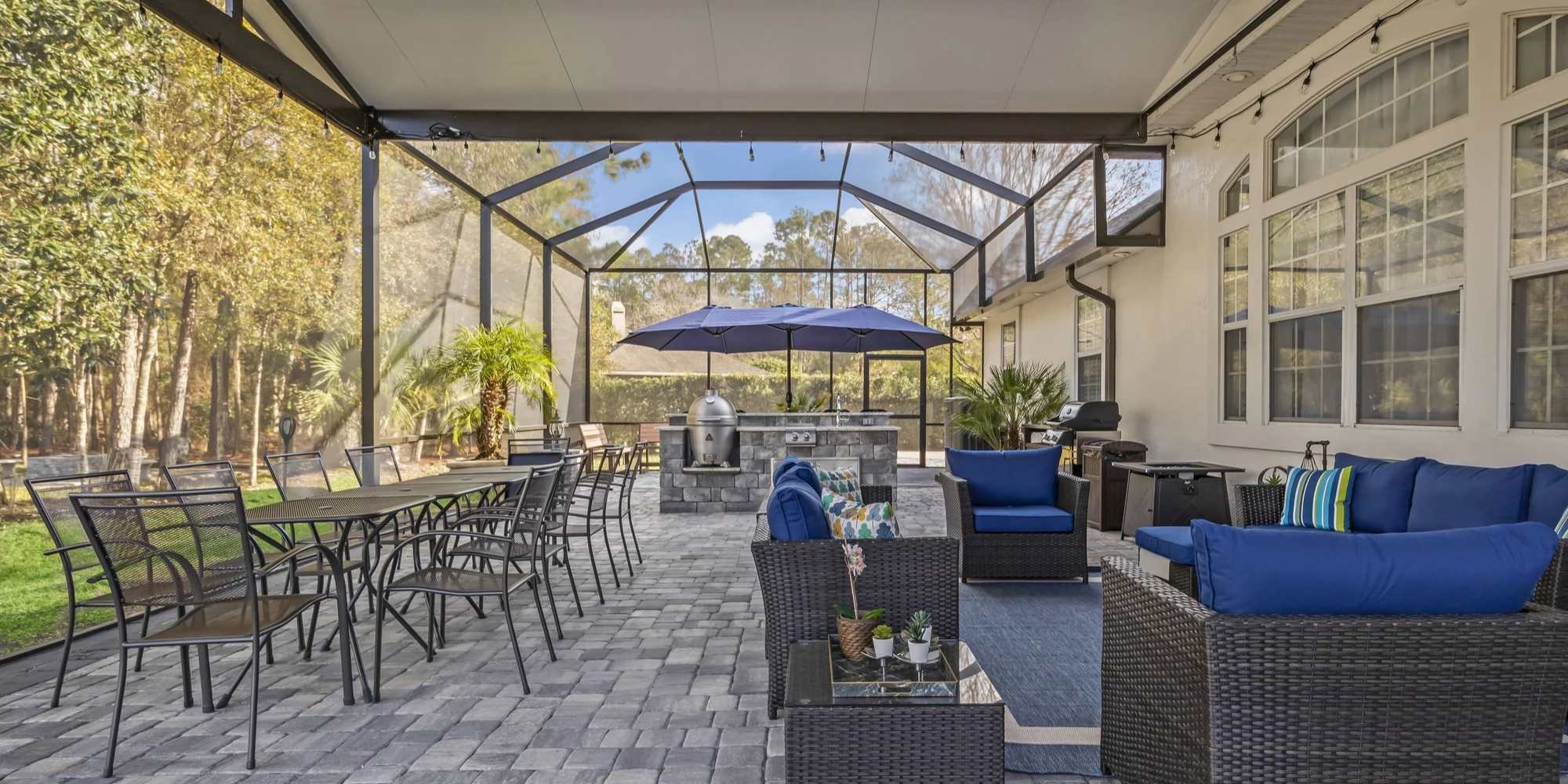
Choosing the Right Screen Enclosure Materials for Your Home
The key is finding the right balance between budget, durability, and design, and understanding how each choice affects the way you’ll use and maintain your outdoor space.
Balancing Budget, Durability & Design
Some materials are designed to meet basic needs at a lower cost, while others focus on long-term durability, enhanced comfort, or a more open, upgraded look.
The goal is to invest where it matters most for your lifestyle, whether that’s stronger framing, better screen materials, or upgraded doors and drainage.
How Material Choices Affect Comfort & Maintenance
Material quality directly impacts how comfortable the space feels and how much upkeep it requires. Higher-quality screens improve visibility and airflow, while insulated roofs make screen rooms more usable in hot or rainy weather.
Upgraded fasteners, framing, and drainage systems also reduce maintenance over time. Fewer rust issues, better water management, and stronger structural components mean less work for homeowners in the long run.
When Upgrades Make the Most Sense
Upgrades tend to make the most sense for:
-
High-traffic or heavily used enclosures
-
Homes exposed to stronger sun, wind, or rain
-
Homeowners planning to stay long-term
-
Spaces meant to be used year-round
Screen Enclosures Built to Last by Impact Enclosures
Choosing the right materials upfront helps ensure your screen enclosure looks great, performs well, and lasts.
At Impact Enclosures, we build screen enclosures with materials chosen for Florida’s climate and real-life use. If you’re considering a new enclosure or replacing an enclosure that's past its prime, reach out to our team to talk through your options and find the right fit for your home.